Smartphones & Accessories / Review
Samsung Galaxy S25 Review: Flagship flexibility in a smaller body
The standard S25 combines a dedicated 3x camera and flagship processor without the bulk of the Ultra.
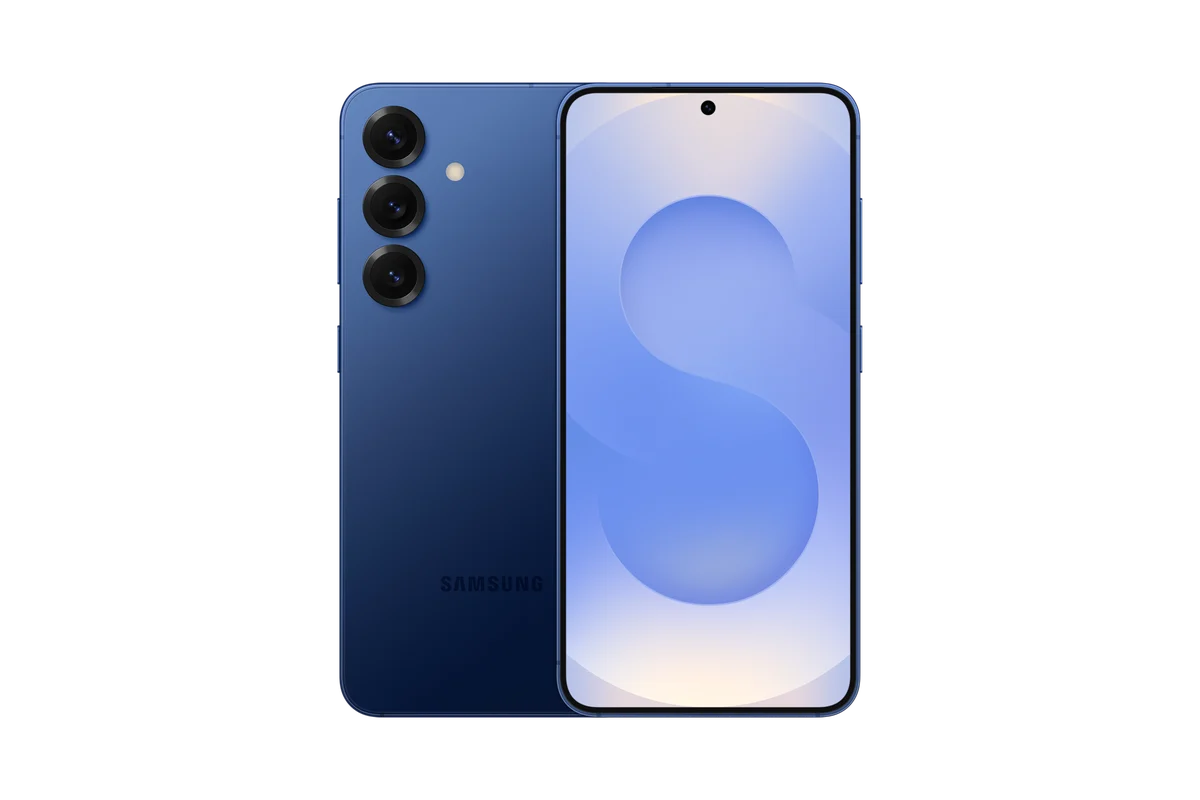
Review basis: This is a research-based editorial review of manufacturer documentation and published product specifications, not a hands-on test. Ratings reflect documented features and buying tradeoffs; performance claims are attributed to their sources.
Small does not mean stripped down
The Galaxy S25 is attractive to buyers who want a relatively compact Android flagship with a complete everyday camera arrangement. Its 6.2-inch display and 162g specified weight make it easier to consider for smaller pockets than many large-screen flagships. Samsung still includes the Snapdragon 8 Elite for Galaxy processor and 12GB of memory. That gives this model a distinct role: it is not merely a lower-tier substitute for the Ultra, but a choice for people who prefer a smaller object and do not need the Ultra's specialized additions.
A useful third camera
The camera system combines a 50-megapixel main sensor, a 12-megapixel ultrawide and a 10-megapixel 3x telephoto. The separate telephoto is useful for tighter framing without immediately relying on a crop from the main camera. Its presence makes the S25 interesting alongside standard phones that offer only wide and ultrawide hardware. Resolution numbers alone do not determine final image quality, however. The practical benefit is the range of available viewpoints. Buyers whose photographs are almost entirely close documents and casual wide scenes may not need to prioritize the additional lens.
The compactness tradeoff
A 4,000mAh typical battery fits the smaller body, while the standard model's wired charging specification is more modest than that of its larger siblings. The result is a phone whose appeal centers on portability rather than maximizing every battery or charging number. That is a reasonable compromise if you normally have access to charging and prefer light handling throughout the day. Someone using navigation, video and mobile data continuously should consider the larger models' different capacity proposition rather than assuming every member of the S25 family has identical endurance characteristics.
Software and long ownership
Samsung publishes seven generations of operating-system upgrades and seven years of security updates from global launch. That provides a meaningful basis for keeping the device, although the remaining period depends on when you buy it. One UI also offers extensive customization and a broad collection of connected features. This can be an advantage for people who enjoy configuring their phone and a source of complexity for those who want fewer choices. Evaluate account requirements and the availability of any specific AI feature you consider essential; software promises should not substitute for a good basic fit.
Verdict
Choose the Galaxy S25 when compact handling, a real telephoto option and a long stated support policy matter more than the largest screen or fastest charging. It is especially coherent for someone already using Samsung accessories and comfortable with One UI. Choose a larger sibling when screen area and battery capacity dominate your routine. Compare storage carefully because it is not expandable, and check the exact regional model when buying through third parties. The S25's strength is its balance of size and capability, provided the smaller battery is a conscious choice rather than a surprise after purchase.
Sources
What works well
- Relatively compact 162g design
- Dedicated 3x telephoto
- Long published software support
What to consider
- 4,000mAh capacity favors portability
- 25W wired charging is modest for the class
- No expandable storage
At a glance
- Display
- 6.2-inch Dynamic AMOLED 2X
- Processor
- Snapdragon 8 Elite for Galaxy
- Memory
- 12GB
- Battery
- 4,000mAh typical
- Wired charging
- Up to 25W
- Weight
- 162g