Smartphones & Accessories / Review
Apple iPhone 16 Review: The everyday iPhone with useful physical controls
The standard iPhone 16 makes a persuasive everyday choice when compact handling matters more than a telephoto camera.
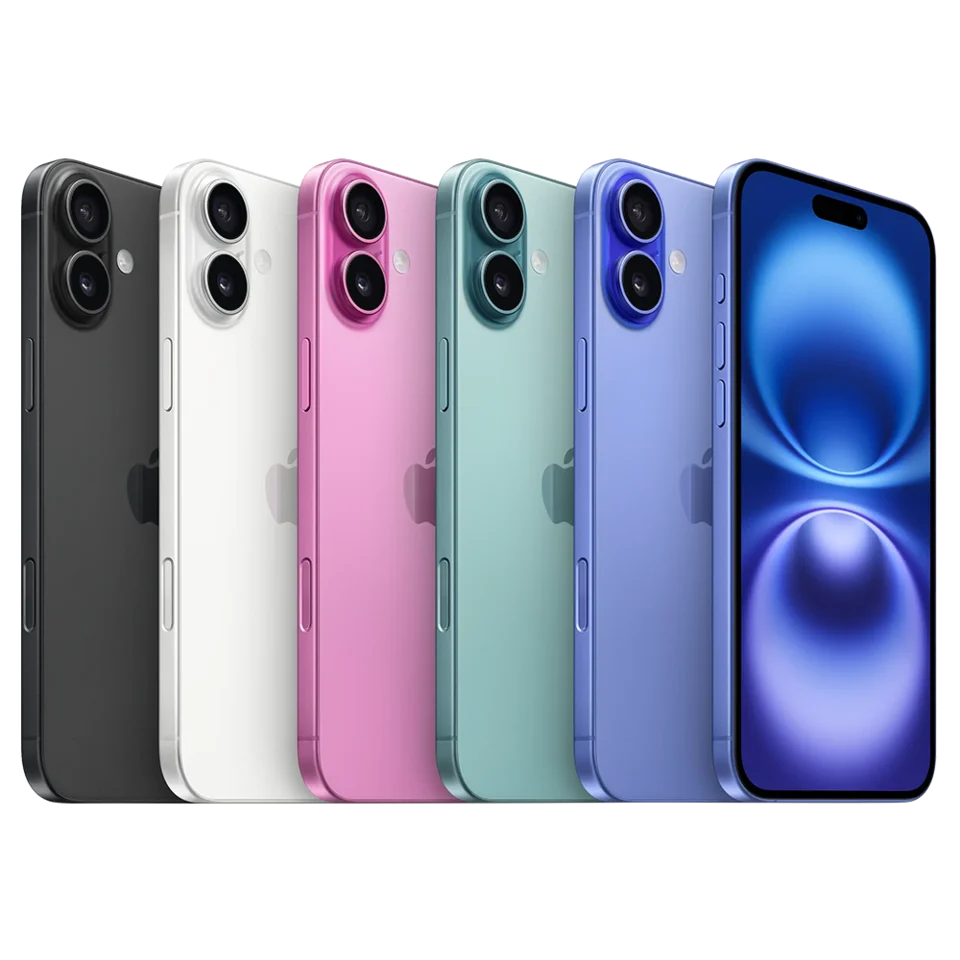
Review basis: This is a research-based editorial review of manufacturer documentation and published product specifications, not a hands-on test. Ratings reflect documented features and buying tradeoffs; performance claims are attributed to their sources.
The right reason to choose it
The iPhone 16 is a sensible choice for an Apple user who wants a manageable phone with modern controls and a versatile main camera. Its 6.1-inch screen and aluminum construction keep the proposition straightforward: a familiar everyday device that fits more easily into pockets than a large-screen model. The A18 chip supports Apple's newer software features, but the strongest buying case is still ordinary use. Messages, navigation, photographs and video calls matter more to most owners than a long list of demonstrations they may rarely repeat.
Controls that can earn their space
The Action button can provide a shortcut to a frequently used function, while Camera Control gives photography its own physical interface. Their usefulness depends on habits. Someone who regularly reaches for a camera shortcut can benefit; someone happy with the lock-screen camera may barely use the extra control. It is worth trying the placement with the case you intend to buy. A control that looks convenient on a specification sheet needs to be reachable without compromising your grip, especially if you take photographs one-handed while carrying other items.
Camera flexibility has a boundary
Apple combines a 48-megapixel main camera with an ultrawide camera that supports macro photography. The main sensor also supplies a 2x framing option, making the system useful for food, documents, family scenes and closer details. That does not turn it into the Pro's separate long telephoto camera. If distant subjects are central to your photography, compare the actual focal lengths before choosing. For everyday scenes, the standard model's broader composition choices are more relevant than chasing the highest possible zoom number printed on a retail listing.
Connections and storage deserve attention
USB-C simplifies cable sharing, although this model's USB 2 data connection is a limitation for large wired transfers. The phone is therefore more comfortable as a cloud-centered daily device than as a frequent high-volume wired production tool. Choose storage around the videos, downloaded media and offline maps you actually retain; storage cannot be expanded later. Wireless charging is convenient with appropriate accessories, but it adds another purchasing decision. An existing USB-C charger and a simple cable may already cover the routine that matters most.
Verdict
Buy the iPhone 16 when its size, Apple ecosystem and straightforward camera coverage fit your life. The Pro earns attention for its display and more specialized camera and transfer capabilities, not simply because its name sounds more complete. Likewise, an owner with a satisfactory recent iPhone should identify a concrete frustration before upgrading. Better access to a preferred control, a failing battery or a need for macro photographs is a clearer justification than novelty. This is an appealing balanced phone when you accept its deliberate limits and purchase the storage you will need.
Sources
What works well
- Manageable 6.1-inch design
- Macro-capable ultrawide camera
- Action button and Camera Control
What to consider
- No dedicated long telephoto
- USB 2 wired data
- Storage is not expandable
At a glance
- Display
- 6.1-inch Super Retina XDR OLED
- Chip
- A18
- Main camera
- 48MP Fusion
- Data connector
- USB-C, USB 2
- Storage
- 128GB, 256GB, 512GB