Computers & Laptops / Review
Raspberry Pi 5 Review: A flexible board for a planned build
The Raspberry Pi 5 brings dual 4K output and PCIe expansion. Find out what you need to budget for storage, cooling and power before building.

The Raspberry Pi 5 is a good starting point for a small Linux project that needs GPIO, display output, or a custom enclosure. The board is easy to spec on paper. The finished build depends more on whether you pick power, cooling and storage that fit the job.
Budget for the full computer
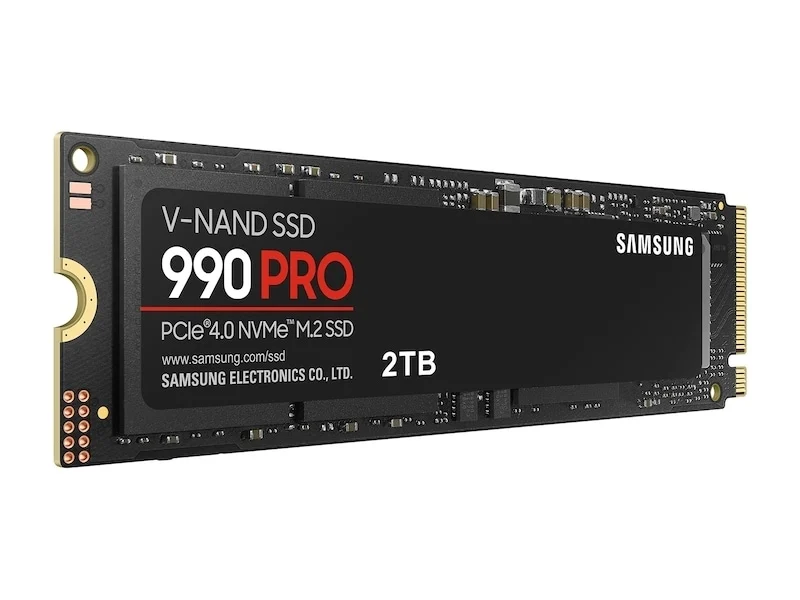
The Pi 5 uses a quad-core Cortex-A76 and offers two micro-HDMI ports for displays. A microSD card is a simple starting point. For a write-heavy project, consider an SSD and the cost of the compatible adapter. Raspberry Pi recommends its 27W USB-C power supply for full peripheral power. Sustained loads also make a compatible cooler worth planning around.
Where it makes sense
Choose it when the small board, GPIO or dedicated accessories are part of the design. If the job calls for lots of built-in storage or a quiet ready-to-run desktop, compare the complete cost with a mini PC. Double-check case fit after choosing a cooler and storage adapter. The separate parts are an advantage only if they work together.
How we evaluated it
This editorial rating uses the manufacturer’s product documentation and assesses fit for the stated use. It is based on documented features and tradeoffs. We did not test this unit hands-on. See our editorial policy for how we score products.
What works well
- GPIO and documented expansion options
- Dual 4K display support
What to consider
- Power, case and storage are separate choices
- PCIe SSD use typically requires an adapter
At a glance
- Processor
- Quad-core Cortex-A76 at 2.4 GHz
- Video
- Two micro-HDMI outputs
- Expansion
- PCIe 2.0 x1 interface