Smartphones & Accessories / Review
Apple iPhone 16 Pro Review: A compact creative tool with a real telephoto
The 16 Pro is most compelling for buyers who will use its 5x camera, faster wired transfers and adaptive display.
Review basis: This is a research-based editorial review of manufacturer documentation and published product specifications, not a hands-on test. Ratings reflect documented features and buying tradeoffs; performance claims are attributed to their sources.
What the Pro adds
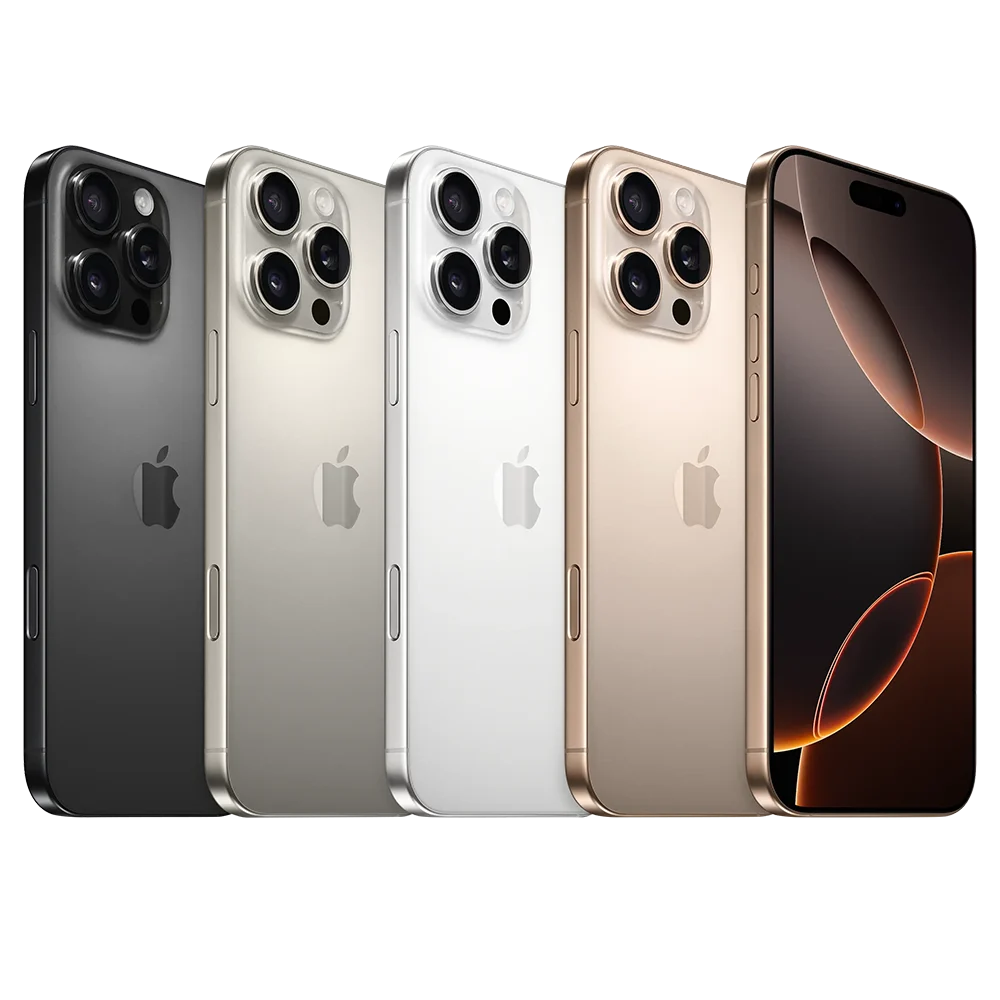
The iPhone 16 Pro makes the most sense when its specific camera and connection upgrades solve a recurring problem. It pairs a 6.3-inch display with the A18 Pro chip and a titanium exterior, creating a relatively compact alternative to the Pro Max. The larger investment is easier to justify for someone recording substantial video or regularly photographing distant subjects than for someone mainly reading messages. A premium finish is pleasant, but it should be a secondary reason to buy a device that will probably spend most of its life inside a case.
Three cameras with different jobs
The rear system combines a 48-megapixel main camera, a 48-megapixel ultrawide and a 12-megapixel 5x telephoto. That separate telephoto is the clearest practical distinction from the standard iPhone 16. It gives the photographer another native framing choice for details and subjects that cannot be approached easily. It does not eliminate the need for appropriate light or sensible camera technique. The ultrawide and macro functions have a different purpose, helping with confined spaces and close subjects. Choose this system because those viewpoints match your photographs, not because three lenses automatically improve every picture.
Display and physical handling
ProMotion adjusts refresh rate up to 120Hz, and the always-on display offers information without fully waking the phone. These are visible everyday differences that may matter even when the camera is idle. They are also personal preferences rather than mandatory features. The Action button and Camera Control add ways to reach functions, but their placement should be checked with your intended case. Moving from a smaller phone can change one-handed reach, and a heavier protective case can matter more to comfort than the bare-device dimensions suggest.
A better wired workflow
USB 3 transfer support up to 10Gb/s is useful for moving large media files, provided the cable and connected equipment support the required speed. A USB-C connector alone does not guarantee that capability. Advanced recording formats also consume storage quickly, so a buyer attracted to professional video options needs to plan capacity and offloading together. Buying the smallest storage configuration and assuming the word Pro removes those practical constraints is a poor strategy. The phone can participate in a serious capture workflow, but the accessories and file-management habits complete that workflow.
Verdict
Choose the iPhone 16 Pro for its combination of telephoto reach, adaptive display and more capable wired data connection in a smaller body than the largest model. Choose the standard iPhone when ordinary wide and ultrawide photography already covers your needs. Existing Pro owners should compare the exact camera or transfer limitation they want to remove before spending again. The 16 Pro's value comes from using its specialized options often enough to matter. It is a strong creative purchase for a defined task and an unnecessarily elaborate one when those features would remain untouched.
Sources
What works well
- Dedicated 5x telephoto
- Adaptive refresh up to 120Hz
- USB 3 data support
What to consider
- Advanced video increases storage demands
- Fast transfers require an appropriate cable
- Specialized features may add little for casual use
At a glance
- Display
- 6.3-inch Super Retina XDR; ProMotion up to 120Hz
- Chip
- A18 Pro
- Rear cameras
- 48MP main; 48MP ultrawide; 12MP 5x telephoto
- USB
- Up to 10Gb/s with suitable cable