Music & Instruments / Review
Tascam DR-05XP Review: Flexible file formats in a straightforward stereo recorder
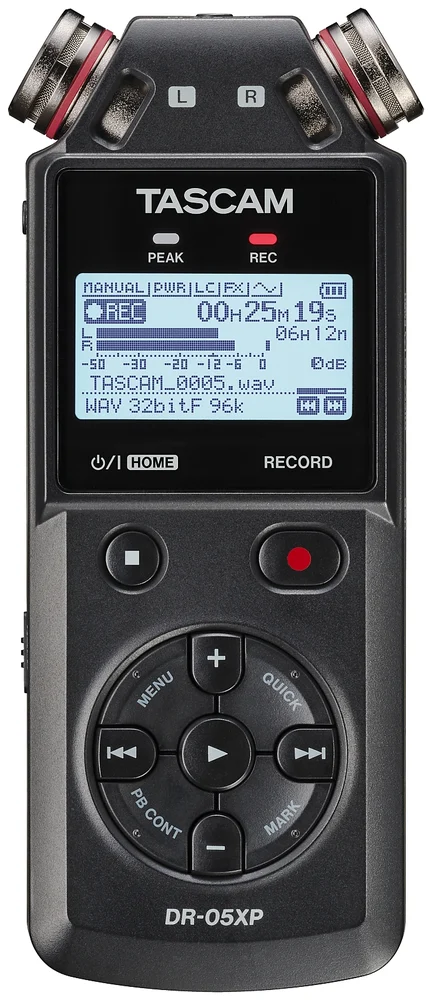
The Tascam DR-05XP is a practical recorder for musicians who want to capture rehearsals, lessons and ideas in a range of usable file formats. It combines built-in stereo microphones with 32-bit float WAV recording, conventional…
Review basis: This is a research-based editorial review of manufacturer documentation and published product specifications, not a hands-on test. Ratings reflect documented features and buying tradeoffs; performance claims are attributed to their sources.
The Tascam DR-05XP is a practical recorder for musicians who want to capture rehearsals, lessons and ideas in a range of usable file formats. It combines built-in stereo microphones with 32-bit float WAV recording, conventional WAV options and MP3. The important benefit is flexibility: a recording can be optimized for later editing or for convenient sharing, depending on the purpose.
The XP suffix matters. This model should not be confused with older DR-05 or DR-05X listings, whose capabilities differ. Tascam specifies fixed omnidirectional condenser microphones, two recording tracks and support for up to 96kHz in standalone WAV capture. Those details describe a compact stereo recorder, rather than a multitrack system with several independently adjustable microphone channels.
A room recording by design
Omnidirectional microphones make the DR-05XP useful for capturing the broader sound of a rehearsal or conversation. They also mean that nearby reflections, ventilation and other people remain part of the recording. Moving the device closer to the intended source can change the result more meaningfully than selecting a larger file format. A quiet room and sensible placement remain valuable even with sophisticated recording electronics.
The 32-bit float mode gives compatible editing software room to adjust levels after capture. It should not be read as a promise that every possible sound can be recovered. The microphones and analog inputs still have physical limits, while wind and handling noise are captured alongside the performance. Tascam's published microphone limit is a design specification, not permission to ignore monitoring.
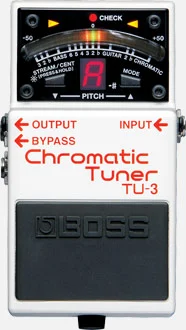
Musicians get functions such as a tuner, overdubbing and reverb. These make the recorder useful between formal sessions: a player can preserve a starting idea and explore a further part without opening a workstation. For a finished arrangement with independent editing of several performances, however, a computer-based multitrack project remains the more flexible destination.
Standalone recording and USB are different
The DR-05XP also serves as a two-input, two-output USB-C audio interface. Tascam specifies 24-bit USB audio at 44.1 or 48kHz, so the standalone 32-bit float headline does not apply unchanged to computer-interface operation. This distinction is especially important when comparing it with devices purchased primarily for a desktop recording setup.
Its external mic/line connection is a 3.5mm stereo socket with plug-in power support. That is useful for appropriate small microphones and line sources, but it is not a substitute for balanced XLR inputs with phantom power. Check the source's output level and connection requirements before assuming a cable adapter solves compatibility.
The DR-05XP is a strong fit for simple stereo documentation with a choice of editing and sharing formats. Its format flexibility and additional musical tools make it more than a digital voice memo device. Choose a different recorder when multiple isolated tracks or professional microphone connections are the main requirement.
Sources and specifications
What works well
- Float WAV and conventional formats
- Built-in microphones and external mini-jack input
- USB-C interface function
What to consider
- No balanced XLR inputs
- Omnidirectional microphones include the room
- USB audio is not 32-bit float
At a glance
- Microphones
- Fixed omnidirectional stereo
- Recording
- WAV up to 96kHz/32-bit float; MP3
- USB audio
- 2-in/2-out, 24-bit at 44.1/48kHz
- Power
- Two AA batteries or USB