Music & Instruments / Review
Shure SM58 Review: A Vocal Microphone With Clear Connection Requirements
The Shure SM58 remains an easy microphone to understand: it is a handheld dynamic vocal model designed around a directional pickup pattern and conventional audio equipment. That clarity is its main attraction for a straightforward…
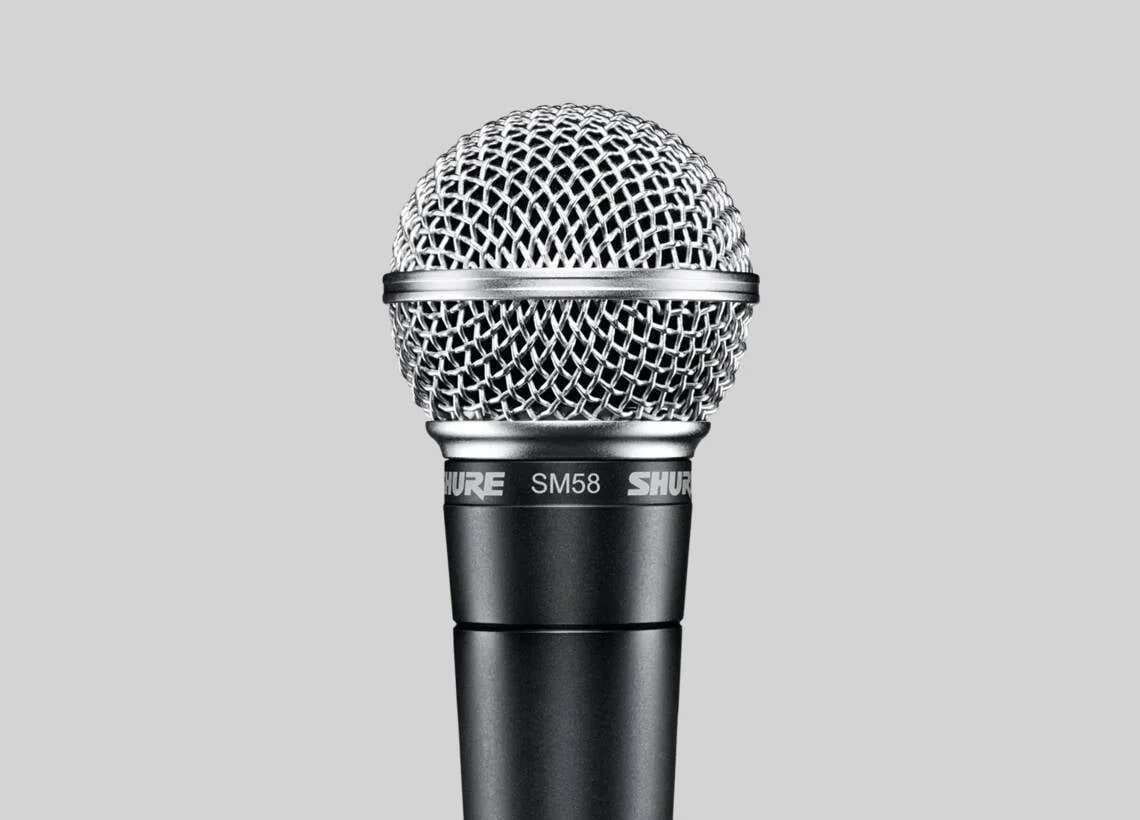
The Shure SM58 remains an easy microphone to understand: it is a handheld dynamic vocal model designed around a directional pickup pattern and conventional audio equipment. That clarity is its main attraction for a straightforward vocal setup.
The design's purpose
Shure identifies the SM58 as a cardioid dynamic microphone with a response shaped for vocals. The pattern favors sound arriving from the intended direction, but it does not make room noise disappear. Placement, distance and the rest of the system still determine the result.
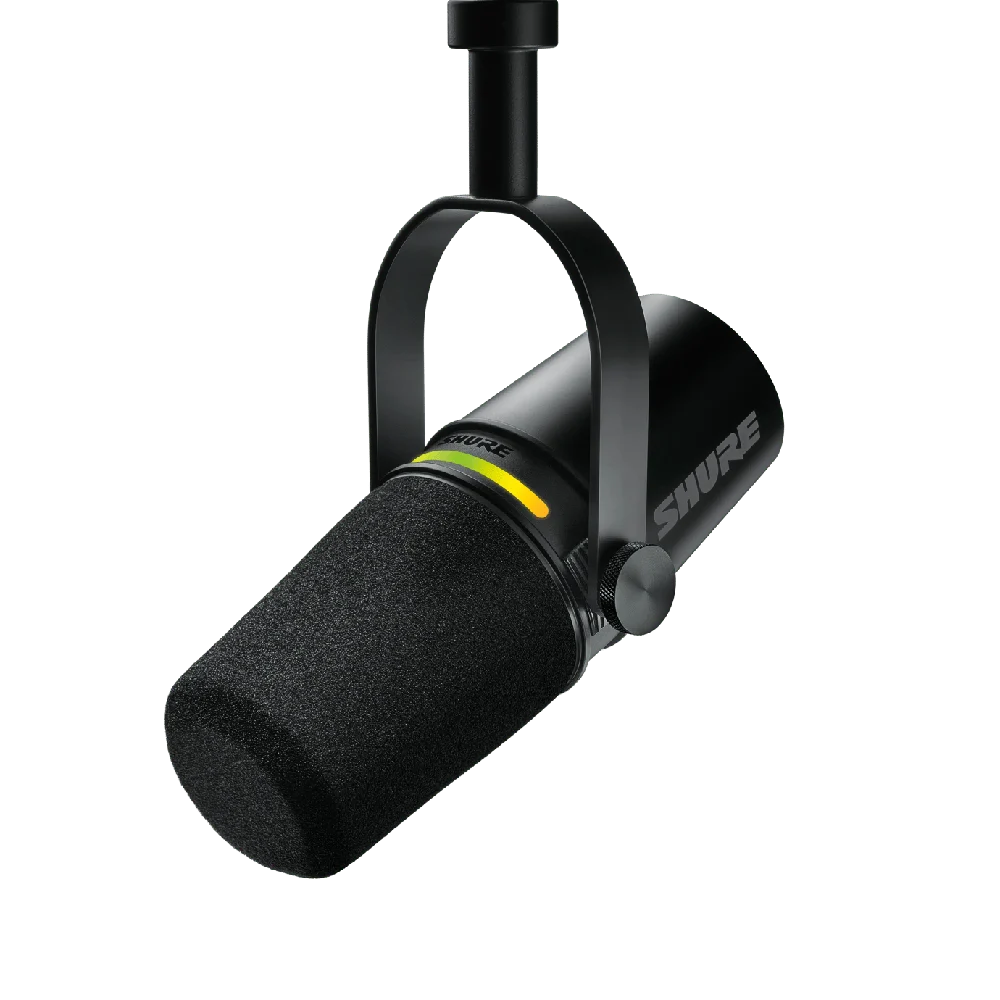
A buyer should distinguish the standard wired microphone from wireless systems and USB microphones. The SM58 needs an appropriate audio connection and gain stage, such as a suitable mixer or interface. A microphone alone is not a complete computer recording setup.
Practical buying checks
Compare the exact package contents. A stand, cable and interface can materially change the total cost for a first-time buyer. Also decide whether a switched version is needed; similar product names can conceal a small feature that matters in daily use.
Try the intended speaking or singing distance and check how the microphone works with the actual room and amplification arrangement. Do not judge only by the sound of someone else's performance online. A loud stage and a quiet home desk create different priorities.
Where it fits
A conventional dynamic microphone is appealing when several people may use the same system or when the setup needs to remain simple and familiar. Someone who wants a single USB cable into a laptop may prefer a different kind of microphone, even if the SM58's reputation is attractive.
Verdict
The SM58 is a sensible candidate for vocals when the buyer already has, or plans to buy, the supporting audio equipment. Its specification is focused and understandable. Choose it for the required connection and use case, not as a shortcut around microphone placement, room acoustics or the need for a complete signal chain.
Sources and product information
What works well
- Focused vocal design
- Cardioid pickup pattern
- Conventional audio-system integration
What to consider
- Needs appropriate supporting audio equipment
- Directional pickup does not remove room noise
At a glance
- Type
- Dynamic vocal microphone
- Polar pattern
- Cardioid
- Connection class
- Conventional wired microphone system