Fitness & Wellness / Review
Wahoo KICKR CORE 2 review: choose the drivetrain configuration before the training app
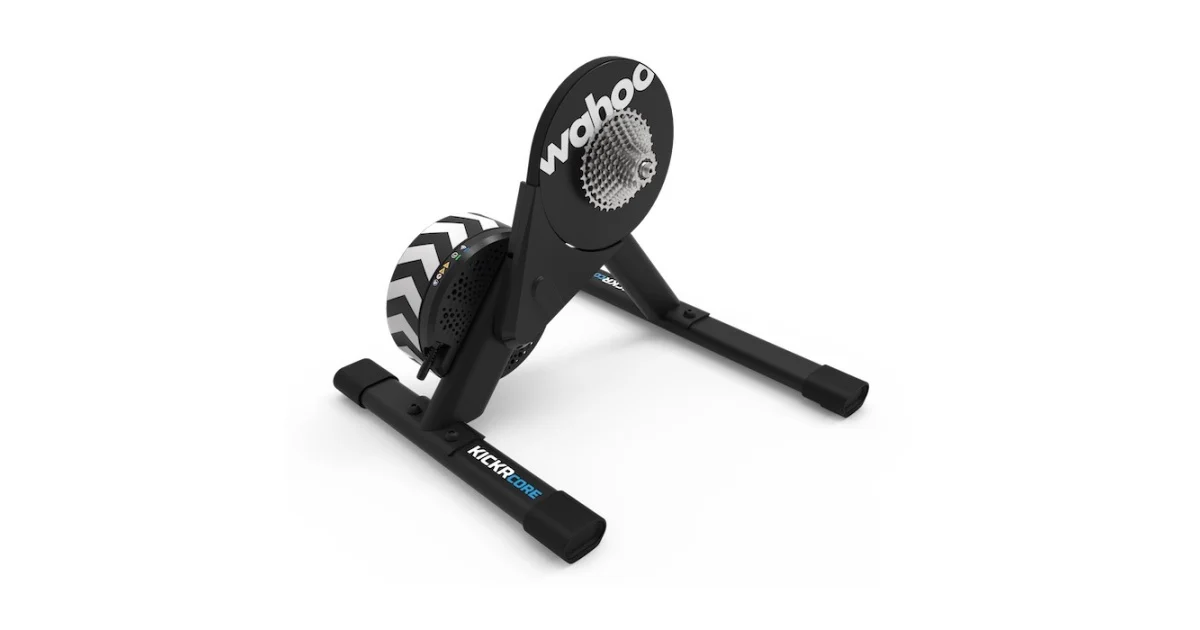
The Wahoo KICKR CORE 2 is a convincing option for a cyclist who wants to bring an existing bicycle into a controlled indoor setup. The critical purchase is not just the trainer body. Bicycle compatibility,…
Review basis: This is a research-based editorial review of manufacturer documentation and published product specifications, not a hands-on test. Ratings reflect documented features and buying tradeoffs; performance claims are attributed to their sources.
The Wahoo KICKR CORE 2 is a convincing option for a cyclist who wants to bring an existing bicycle into a controlled indoor setup. The critical purchase is not just the trainer body. Bicycle compatibility, drivetrain configuration and the chosen training software determine whether the system works smoothly from the first session.
Wahoo rates the CORE 2 for up to 1,800 watts of resistance and simulated gradients up to 16 percent, with a claimed power accuracy of plus or minus two percent. These figures describe the manufacturer’s operating envelope. Most buyers should prioritize fit, connectivity and routine usability before treating the largest resistance number as the deciding feature.
What the design changes
The trainer is offered with an 11-speed cassette or a Zwift Cog configuration. These are meaningfully different choices. A cassette needs to suit the bike’s drivetrain, while virtual shifting depends on the relevant compatible software and controls. Check the exact bundle rather than assuming every CORE 2 listing includes the same hardware.
Wi-Fi joins Bluetooth and ANT+ as connection options. That can simplify updates and reduce dependence on a single wireless path, but it still requires a suitable home network and compatible receiving device. Think through where the trainer will sit and where the screen will be positioned before buying extra sensors or display accessories.
The practical tradeoffs
A direct-drive setup requires removing the bicycle’s rear wheel and attaching the bike correctly. Confirm axle, frame and drivetrain compatibility using Wahoo’s guidance. The need to move a bike between indoor and outdoor use is a practical factor; a dedicated indoor bicycle can reduce repeated setup but adds space and cost.
The trainer also occupies a room together with the bicycle, a rider and often a fan or table. The equipment’s own footprint understates the usable area required. A sensible budget includes the necessary adapter or cassette work, a suitable floor arrangement and any software subscription the rider actually intends to use.
Buying judgment
The CORE 2 is a strong fit for connected indoor cycling when the bicycle and software are already part of a clear plan. It is less suitable for someone who wants a complete, self-contained exercise bike. Choose the correct drivetrain package first, then judge its connectivity and resistance features as part of the finished riding setup.
Source
What works well
- Direct-drive smart resistance
- Wi-Fi connectivity
- Cassette and Zwift Cog configurations
What to consider
- Bike compatibility must be checked
- App and drivetrain choices affect the complete setup
At a glance
- Rated maximum resistance
- 1800 W
- Simulated grade
- Up to 16%
- Claimed power accuracy
- ±2%
- Connectivity
- Wi-Fi, Bluetooth and ANT+