Electronics & Audio / Review
Bose QuietComfort Ultra Headphones 2nd Gen Review: More connection flexibility for frequent travelers
The second-generation Ultra adds USB-C audio and longer claimed battery life to Bose’s feature-rich over-ear design.
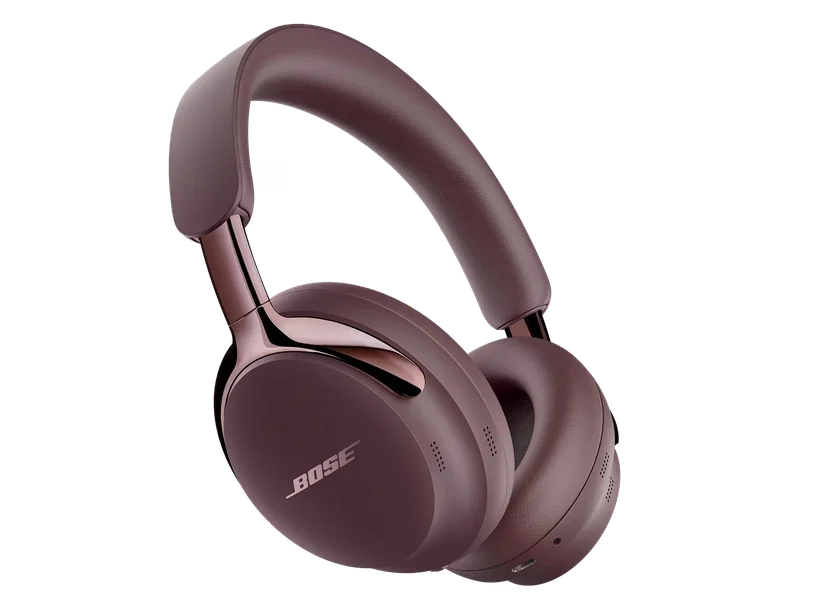
Review basis: This is a research-based editorial review of manufacturer documentation and published product specifications, not a hands-on test. Ratings reflect documented features and buying tradeoffs; performance claims are attributed to their sources.
Why this generation matters
The second-generation QuietComfort Ultra Headphones are most interesting to someone who wants one over-ear pair for travel, wireless listening and a direct digital connection at a desk. USB-C audio is a meaningful addition because it gives the headphones a use beyond Bluetooth and analog playback. It also separates this model from the original Ultra, which can appear in similar-looking listings. Check for the explicit second-generation label before buying; a discount on the first version is a different proposition, not automatically the same product at a better price.
Several ways to listen
Bose combines adaptive noise cancellation with its Immersive Audio processing and a Cinema Mode intended for video. These are choices in presentation, not features every listener will want enabled all the time. A buyer who prefers conventional stereo should consider the headphones' ordinary listening workflow just as carefully as the spatial modes. USB-C lossless audio requires a compatible source and appropriate content, and it does not make a low-quality recording better. The practical benefit is a direct wired digital option that avoids relying entirely on a wireless connection.
Battery settings affect the comparison
Bose quotes up to 30 hours with noise cancellation on and Immersive Audio off, falling to 23 hours with Immersive Audio enabled. Those are manufacturer estimates under specified conditions rather than a promise for every trip. The difference is useful because it shows the cost of leaving extra processing active. For long travel days, decide whether the mode is valuable enough to use continuously. USB-C charging and quick-charge support help with planning, but a cable in the bag remains part of a sensible travel kit.
Comfort and ownership decisions
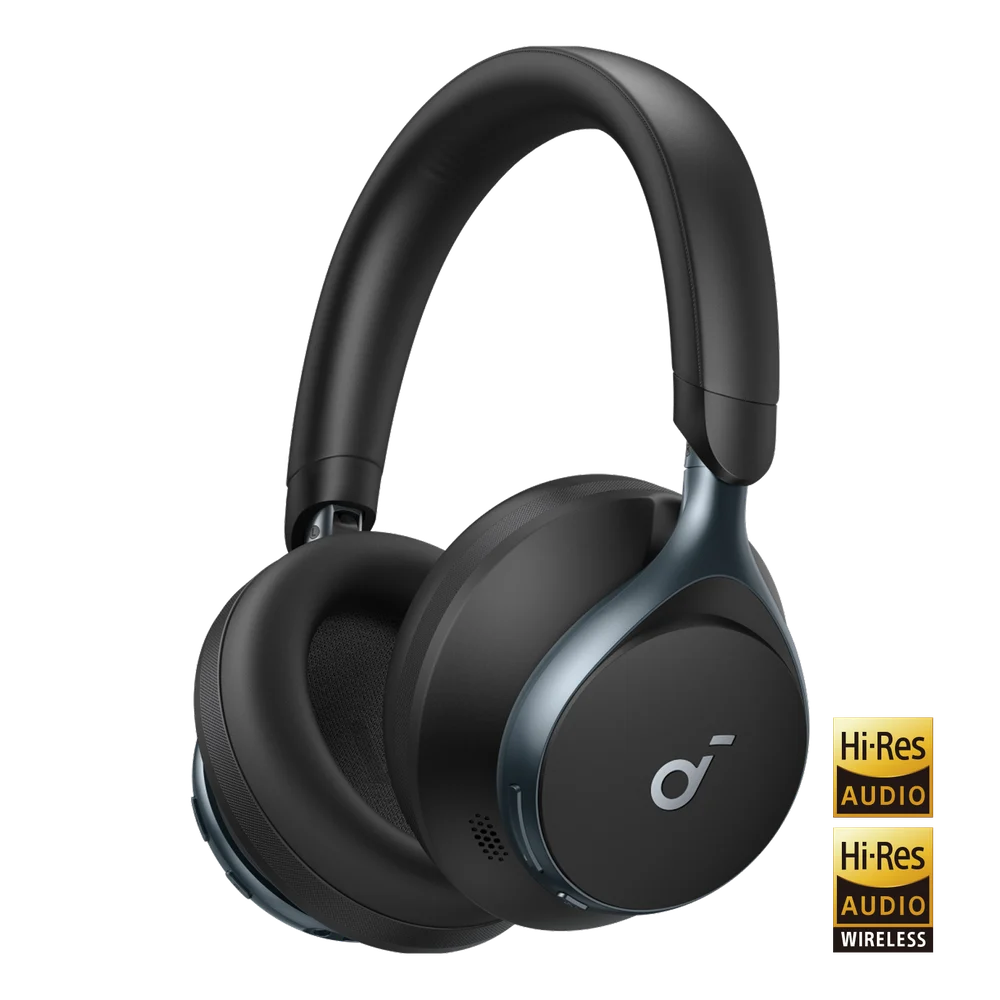
The foldable design and supplied case are appropriate for frequent packing, while the over-ear cushions create a more substantial object than earbuds. Fit remains personal: glasses, head shape and cushion contact can matter more over several hours than a product's premium finish. The Bose app provides EQ and shortcut customization, so it is worth checking whether those controls fit how you listen. Someone who wants a simple physical switch for every function may prefer a less software-centered design. The feature list is broad, but complexity should earn its place.
Verdict
Choose the second-generation Ultra if you will use noise-control options, portable over-ear construction and USB-C audio across several settings. The connection upgrade gives it a clearer advantage for mixed travel and computer use than spatial processing alone. A simpler wireless pair can be sufficient if you only listen from a phone, and an existing first-generation owner should identify a specific limitation before replacing it. The strongest purchase case is a better fit for your connections and routine. No feature sheet can settle personal comfort or your preferred sound presentation for you.
Sources
What works well
- USB-C digital audio
- Foldable design with carrying case
- Adjustable noise and spatial listening modes
What to consider
- Immersive Audio reduces claimed runtime
- Premium features may be unnecessary for simple phone use
- Comfort remains dependent on individual fit
At a glance
- Generation
- 2nd Gen
- Claimed battery
- Up to 30h ANC on; 23h with Immersive Audio
- Connections
- Bluetooth; USB-C audio; analog audio
- Modes
- Quiet/Aware; Immersive Audio; Cinema