Firearms & Shooting Sports / Review
ESS Crossbow Suppressor Review: Eyewear Designed Around Earmuff Compatibility
The ESS Crossbow Suppressor addresses a practical problem: eyewear temples and earmuff cushions occupy the same space. Its thin-arm design is worth considering when conventional glasses interfere with comfortable, consistent earmuff fit.
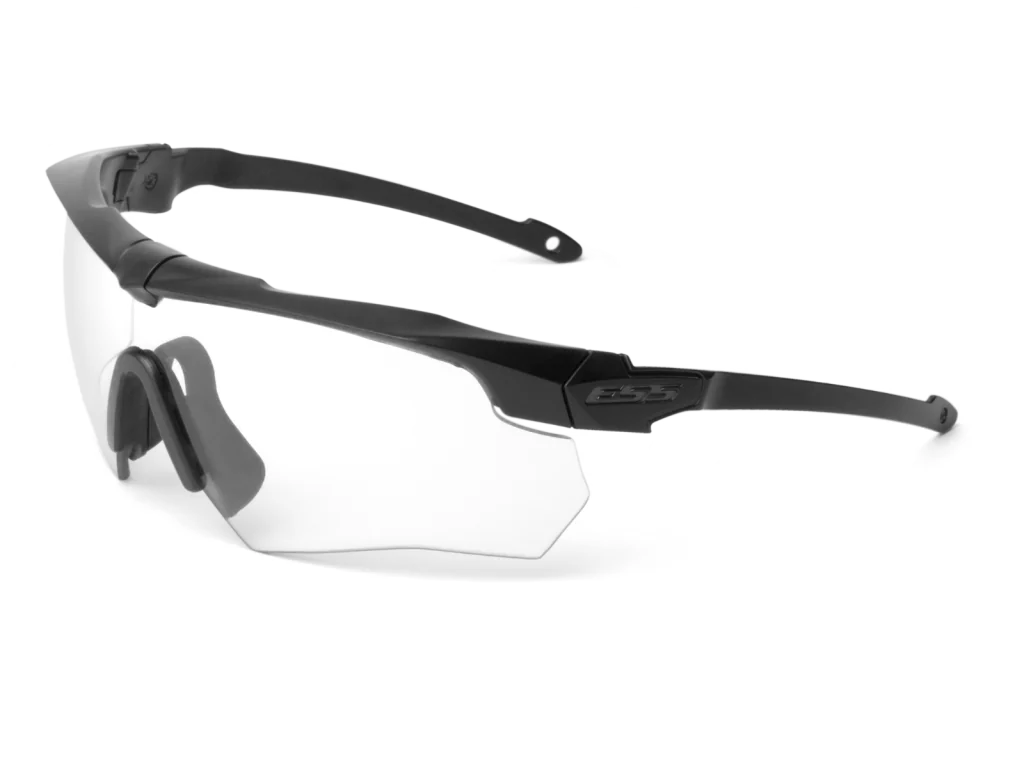
The ESS Crossbow Suppressor addresses a practical problem: eyewear temples and earmuff cushions occupy the same space. Its thin-arm design is worth considering when conventional glasses interfere with comfortable, consistent earmuff fit.
The design priority
ESS describes thin temple arms intended to reduce interference beneath earcups. That makes the frame's geometry the principal attraction. A buyer should still verify the exact lens, retail package and applicable protection markings before purchase; similarly named kits can include different components.
The word Suppressor refers here to eyewear, not a firearm component. The useful question is whether the glasses and earmuffs fit well together on the individual wearer. A design intended to improve compatibility does not guarantee a perfect seal for every head shape.
Try the whole arrangement
Wear the eyewear with the actual earmuffs, headwear and any prescription solution you need. Check stability when looking down and turning the head. Look for gaps at the earmuff cushions and pressure points around the temples.
Lens tint should match the lighting conditions. A dark lens that is pleasant outdoors may be inappropriate in a dim indoor setting. Read the manufacturer's compatibility information before buying replacement lenses or prescription inserts.
Maintenance and value
Keep the lens protected in storage and follow cleaning instructions. Inspect scratches, damaged frames and loose parts rather than treating eyewear as a permanent purchase. Compare the availability of appropriate replacement components with the cost of a complete new set.
Verdict
The Crossbow Suppressor is a sensible candidate when eyewear-earmuff interference is a real problem in the current setup. Its advantage is a focused compatibility design, not a reason to skip individual fitting or verification of standards. Choose the correct retail kit and lens for the environment, then evaluate eye and hearing protection together.
Sources and product information
What works well
- Thin temples intended for earmuff compatibility
- Focused eye-and-ear equipment integration
- Replaceable-component system
What to consider
- Exact kit and lens must be checked
- Individual fit still determines compatibility
At a glance
- Design priority
- Thin temple arms beneath earmuffs
- Selection check
- Exact lens, kit and protection markings