Outdoor Living & Camping / Review
Sawyer Squeeze review: a simple filter with limits that belong in the plan
Bottle and pouch flexibility is useful when the water-treatment method matches the source.
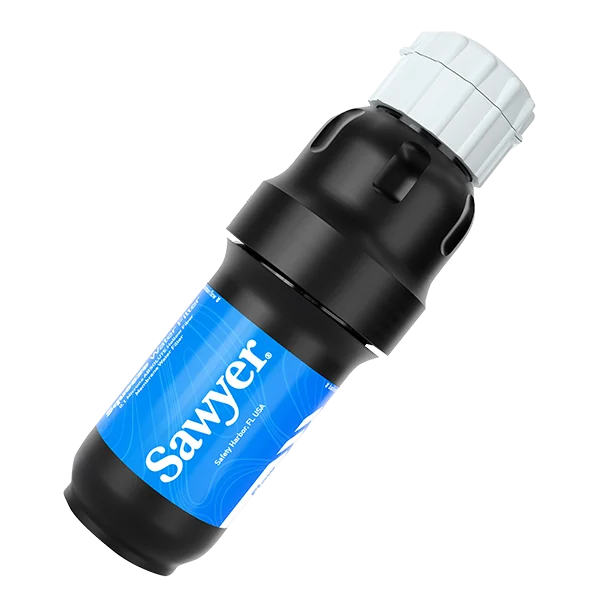
The Sawyer Squeeze offers a compact way to move water through a filter using a pouch or compatible bottle. Its attraction is a simple physical workflow rather than a powered appliance. The essential purchasing decision, however, is whether that filtration method addresses the risks of the water source you expect to encounter.
What this filter is
Sawyer specifies a 0.1-micron absolute hollow-fiber filter and compatibility with standard 28-millimeter threaded bottles. The manufacturer lists bacteria and protozoa reduction claims for the product. Those claims should not be expanded into a promise that the filter makes every possible water source safe.
The CDC’s backcountry treatment guidance distinguishes filters from methods that address viruses. It identifies boiling as the most reliable way to kill germs and describes combining filtration with another appropriate treatment method when needed. That makes source selection and the treatment plan more important than buying a filter solely because it is widely recognized.
Evaluate the complete workflow
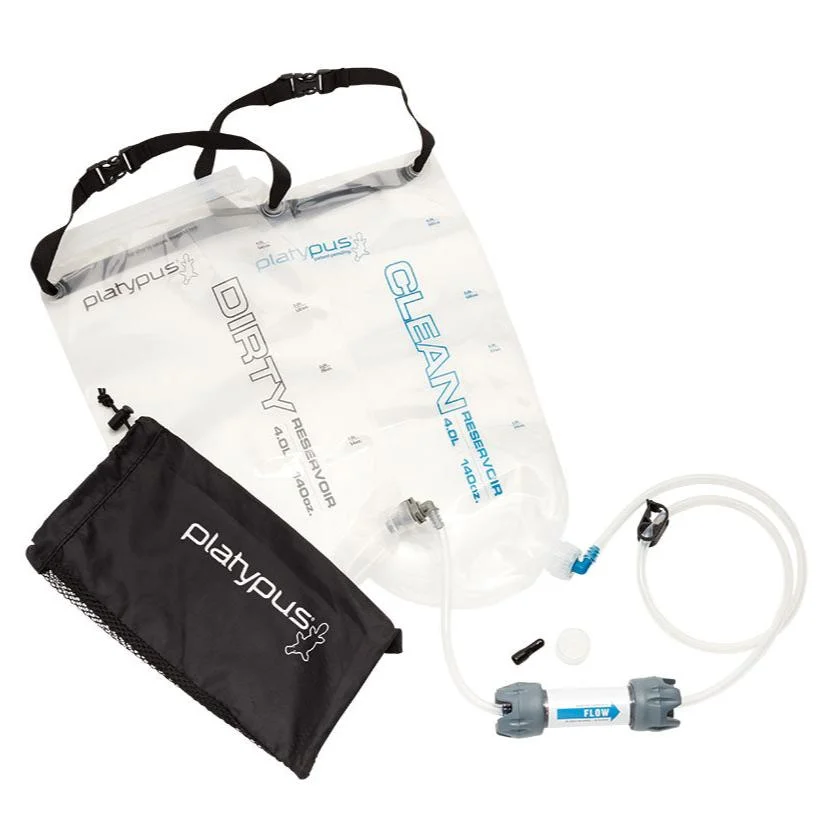
Think about how water will be collected, which container holds untreated water and where treated water will go. A useful setup should keep those roles clear and avoid contaminating the clean side during filling or storage. Check the current kit contents before purchasing, because a filter-only package and a more complete system create different shopping lists.
Learn the cleaning and maintenance instructions before departure. A filter that requires attention in the field is more manageable when the necessary accessories and process are familiar. Also decide what the backup method will be if the equipment is damaged, lost or unsuitable for the source. The smallest packed system is not necessarily the best plan if it leaves no workable alternative.
Verdict
The Squeeze is a sensible candidate for a treatment setup that specifically calls for this type of filtration and values bottle or pouch flexibility. Its limitations are as important as its convenience. Choose it as one part of a source-aware water plan, and never interpret a general outdoor-use description as approval for every contaminant or location.
Editorial rating: 3.9 / 5
Editorial assessment of the documented feature set, design tradeoffs, versatility and ownership requirements for the intended buyer. Features and design each contribute 30%; versatility and ownership each contribute 20%.
- Features: 4.0 / 5 (30%) — The specified hollow-fiber filter and compatible bottle connections define a straightforward manual filtration system for a water-treatment plan that calls for this method.
- Design: 4.2 / 5 (30%) — The compact non-powered arrangement is practical for a pouch or bottle workflow, while clear separation of untreated and treated water remains essential.
- Versatility: 3.6 / 5 (20%) — Bottle, pouch and compatible gravity arrangements add flexibility, but the method does not address every contaminant and must match the expected source risks.
- Ownership: 3.8 / 5 (20%) — Cleaning accessories and a familiar maintenance process support use over time, but correct handling and an appropriate backup method require preparation before a trip.
Sources
What works well
- Pouch and compatible bottle use
- Compact non-powered format
- Published filter specification
What to consider
- Not a universal contaminant solution
- Maintenance and clean-side handling require planning
At a glance
- Filter
- 0.1-micron absolute hollow fiber
- Bottle compatibility
- Standard 28 mm threads
- Operation
- Manual squeeze / compatible gravity arrangements