Baby & Kids / Review
Micro Mini Scooter Review: Choose the Scooter Around the Child
A small lean-to-steer scooter favors young riders when its size matches their coordination and reach.
The right starting point
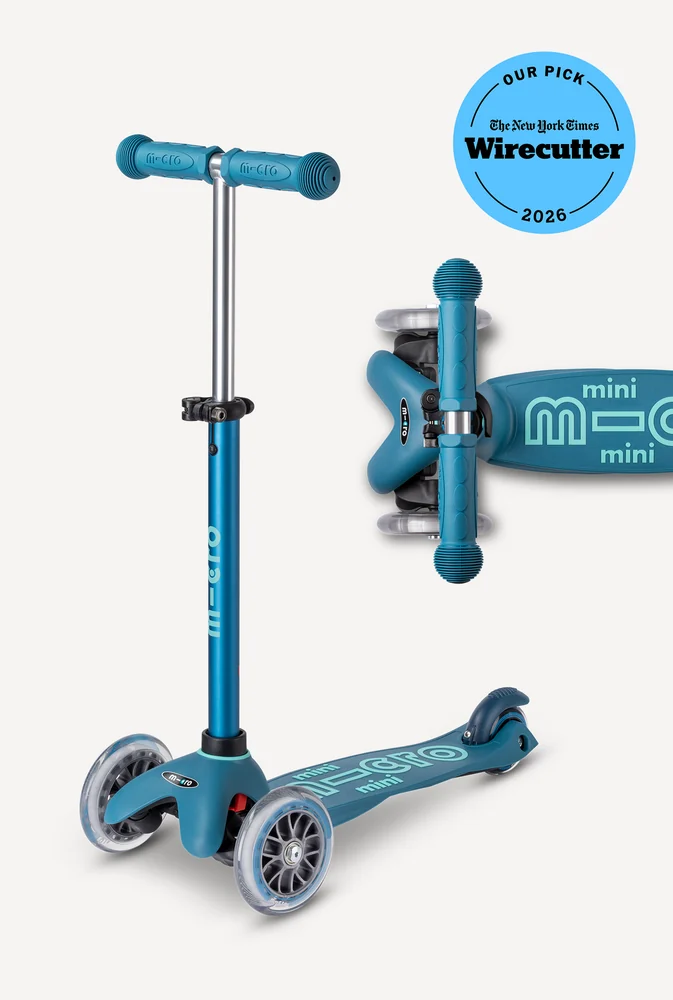
The Mini belongs to Micro’s compact three-wheel scooter family for younger children. Its key distinction is the lean-to-steer format: the rider changes direction by shifting weight rather than simply twisting a conventional handlebar. That design gives it a particular learning style. A parent should choose the scooter around the child’s size and coordination, not only around a birthday or a favorite color.
Sizing in practice
Micro’s guidance places Mini scooters broadly in the two-to-five-year range and emphasizes height, weight and foot size when deciding whether to move to a Maxi. The smaller format can be easier for a young child to manage, while the larger model provides a different fit as the child grows. Buying an oversized scooter purely to extend ownership can undermine the reason to choose a small scooter in the first place.
Check the exact version
The Mini family includes different packages and features, so verify the exact model’s handlebar, folding arrangement and limits before purchase. A photograph of a similar Mini is not enough to establish what is included. For storage, think about the space where the scooter will actually live and whether an adult will carry it during part of a walk.
Ownership and supervision
Inspect the scooter using the manufacturer’s maintenance guidance and replace worn parts with compatible components. Select appropriate protective equipment and a supervised riding area away from traffic. The scooter’s rating is not a statement that every child in the age range is ready for independent riding. A gradual introduction in a suitable area is more useful than treating the age label as a skill assessment.
Verdict
The Mini is a sensible candidate when a young rider fits the smaller platform and prefers the lean-to-steer approach. Its limitation is intentional: children eventually need a different fit. Compare it with a properly sized Maxi or another riding format when the child has outgrown the Mini, rather than trying to stretch the smaller scooter’s role indefinitely.
The exact Mini configuration
The current Mini’s published specifications list a 4.2-pound scooter weight, a 12-by-4.5-inch deck and a handlebar height range of 19.25 to 27 inches from the ground. The standard model does not fold; Micro offers a separate folding version. These details are more useful than buying from an age range alone. Measure the intended storage space and compare the handlebar range with the child’s fit before selecting a color or an optional lighting package.
Editorial score rationale
It scores less highly for versatility because outgrowing the small format is expected. The strongest purchase is a well-matched scooter for the child’s current abilities, rather than an oversized future-proofing exercise.
Sources
What works well
- Small format designed for younger riders
- Lean-to-steer layout
- Manufacturer provides detailed sizing guidance
What to consider
- Child fit matters more than age label
- Mini variants have different features
At a glance
- Steering
- Lean-to-steer
- General age guidance
- 2–5 years; exact model limits apply
- Wheels
- Three
- Weight
- 4.2 lb
- Deck
- 12 × 4.5 in
- Handlebar height
- 19.25–27 in from ground
- Maximum rider weight
- 110 lb
- Folding
- No